Ocarina of Time’s remake lost its new shortcuts for a reason
Nintendo’s discarded warp points reveal where the team drew the line between convenience and discovery.
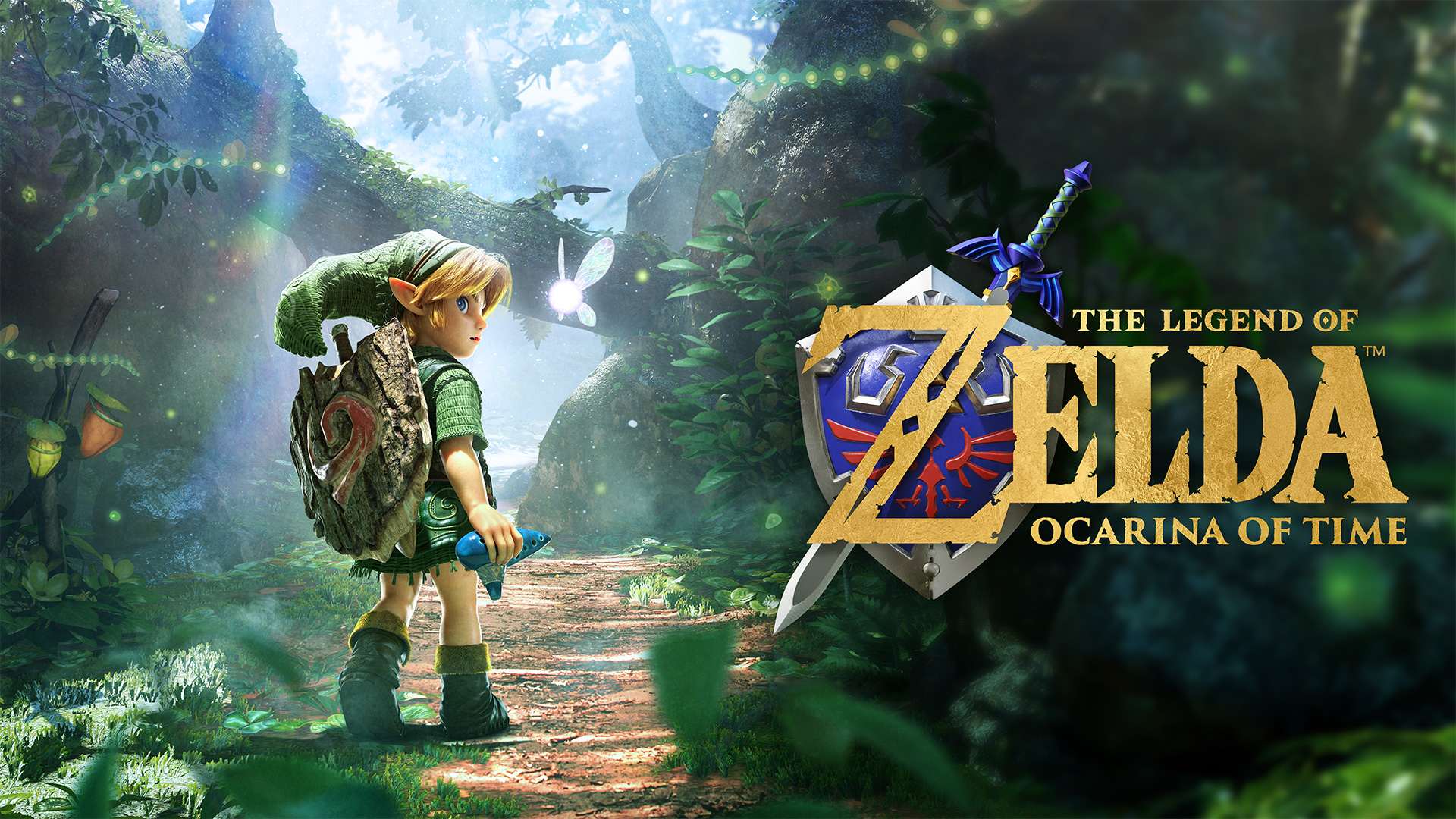
Eiji Aonuma wanted to make crossing Hyrule quicker. Then he played the Ocarina of Time remake with the extra warp points he had requested and decided they should go. The problem was what players would miss between destinations: the discoveries that happen when something along the route catches their eye.
In Nintendo’s developer interview, the producer describes removing the newly added shortcuts, not stripping out every warp from the original game. That distinction explains the decision: the team tested a new convenience and found it interfered with the adventure’s structure.
Aonuma also wanted players used to Breath of the Wild’s freedom to encounter a more deliberately paced story. The remake asks a familiar design question: which inconveniences should disappear, and which stretches of a journey give the destination its meaning?
Faster movement stayed
The controls discussion makes clear that preserving the journey did not mean preserving every old input. Holding the Roll Attack button now allows Link to dash, while repeated rolling remains possible. A dedicated jump button replaces the original’s context-dependent automatic jumps.
Jump attacks accommodate both generations of players. The team implemented a jump-then-attack sequence familiar from newer Zelda games and retained a single-button approach after Aonuma struggled with the change. Both schemes coexist, according to the developers.
The Water Temple received more practical help: easier item switching and lattice walls that reveal adjoining rooms, making its space easier to understand. Gohma’s vulnerability is clearer too, with the boss covering its weak point when attacks cannot hurt it. These changes communicate the rules more clearly without simply removing the obstacles.
Help without skipping the adventure
In the final interview chapter, the team describes introducing actions gradually and giving clear feedback when players succeed. Its ambition is for newcomers to work out their next step inside the game, rather than depend on the strategy guides associated with older releases. The shortcut decision therefore sits alongside a broader effort to make progress understandable.
There is also support through ZELDA NOTES, which needs a Nintendo Account, an internet connection and a compatible smart device. That is an additional route to assistance, with requirements separate from the game itself.
Other additions are about enjoying Hyrule rather than moving through it faster. The Switch 2 microphone can recognize a hummed song and have Link play it on the ocarina. Aonuma says that interaction does not make progression easier. It gives players another reason to stop for a moment—the sort of pause the rejected shortcuts threatened to erase.